
Mental Health Matters: Mental wellness
In contrast to the topic of mental illness, we rarely take a minute to reflect on what mental wellness looks like. It is probably a lot like many other issues – we don’t take time to …
This item is available in full to subscribers.
Subscribe to continue reading. Already a subscriber? Sign in
Local news from Lexington's only local news source. Subscribe today.
Please log in to continue |
Mental Health Matters: Mental wellness
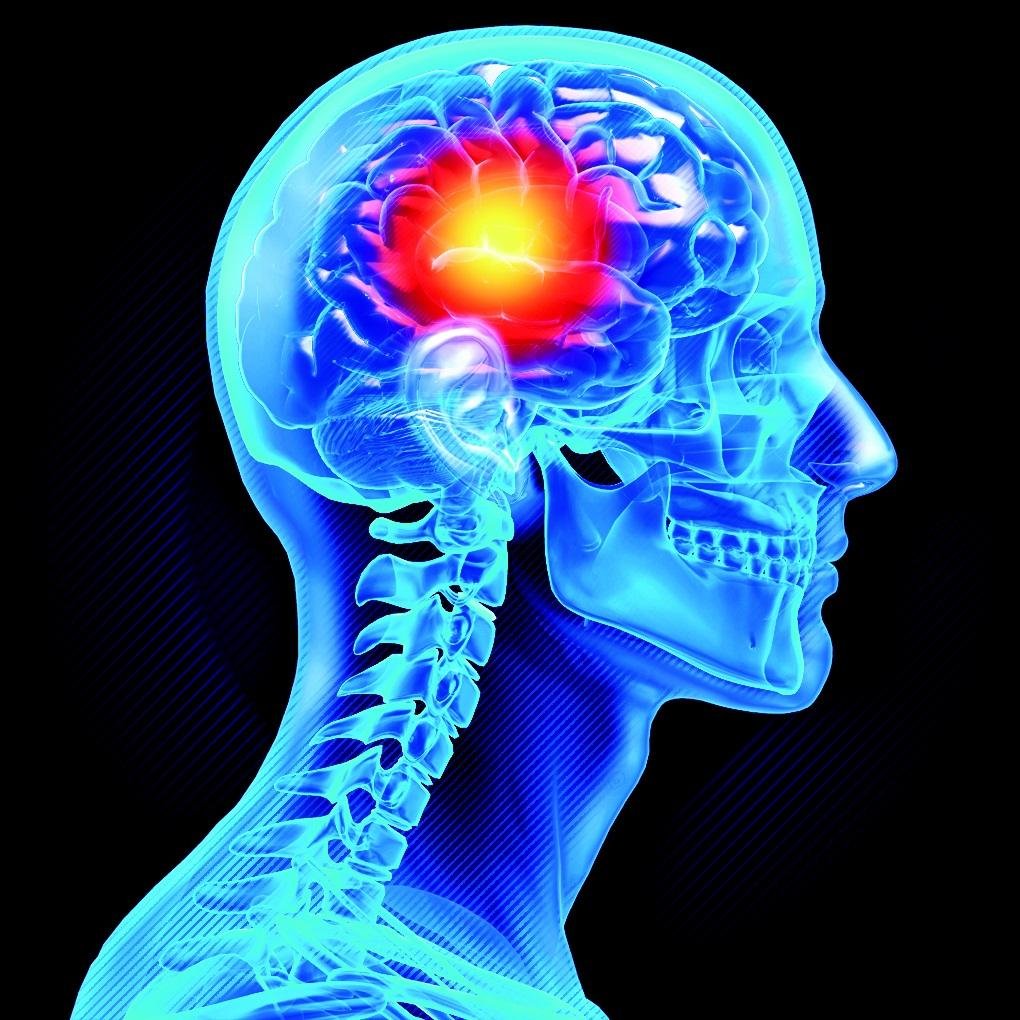
In contrast to the topic of mental illness, we rarely take a minute to reflect on what mental wellness looks like. It is probably a lot like many other issues – we don’t take time to consider something until is it threatened or in danger. We don’t think about the fact that water runs out of our tap on command, until it doesn’t!
What is mental wellness?
According to the World Health Organization, mental wellness is defined as “a state of wellbeing in which we realize our own abilities, can cope with the normal life stressors, can work productively and fruitfully, and are able to make a contribution to our community.” When I am out providing education and information about mental health, I usually ask, “What would you rather be dealing with? A physical or a mental health problem?” It does not take the audience very long to reply with “A physical illness!”
In my own experience, if I have a physical illness and my mental health is intact, I can usually figure out what to do about my physical illness. Let’s say I break a bone in my foot while I am on a walk. Because my mental health is intact, I can pretty quickly put a plan into action: I need to call a friend or a family member to come pick me up. After that, I need to find out if there is an urgent care or a walk-in clinic open at this hour. If I am really on top of things, I may be able to arrange for someone to come check in on my dogs while I am at the urgent care.
If I break my foot while I am on a walk, however, and am also struck with severe enough depression and anxiety, I cannot think about how to address my physical condition as easily. Depression may make my thinking a bit disorganized. I may not be able to accurately assess the severity of my injury, or I am caught up in not wanting to bother anyone because they are all at work. If I have severe anxiety, I will bounce back and forth between needing to go to the nearest urgent care or just waiting it out a couple of days to see if things get better on their own.
Mental wellness includes emotional, psychological and social wellbeing. Our emotions are the feelings we have about the situation and about life in general. The psychological includes our ability to be rational about the situation even though it may be upsetting to us. Our social well-being includes having supportive relationships with others who will be there for us when we need them. All of this influences our cognition (how we think), our perception (how we perceive our situation; is it really bad enough that I need to go to a doctor?) and our behaviors (our ability to act on the situation to find treatment).
Since early treatment of any condition is usually crucial to a good recovery, having mental wellness enables us to act in a rational manner, with accurate direction to our behaviors, even though we may be feeling upset about the fact that we broke our foot.
There are numerous research studies where findings include the following: mental and emotional wellbeing as a predictor of the prognosis for physical illness. This appears to be true for both healthy as well as diseased populations. Our minds are a powerful part of who we are. In my work as a therapist, I have seen many times how we think about our problems is at least correlated to our ability to change the problem. In short, if we do not believe that the problem can be fixed or solved, it likely will not be.
For example, mental health support and treatment alongside cancer treatment can help improve cancer survival. Women diagnosed with breast cancer have higher survival rates if they have regular access to supportive relationships (leading to better mental wellness) than those women who lack such support.
Isolation has a terrible price tag when it comes to the survival of physical and/or mental health conditions.
What are some ways we can strengthen our mental and emotional wellness? Numerous sources point to the same list of ideas. The New York College of Medicine identifies 10 practices or steps we can adopt.
- Value yourself: if you are often critical with yourself, shaming or blaming yourself, it pays to lighten up. Replacing these behaviors and thoughts with self-encouragement can make a huge difference. Do not dwell on mistakes and instead learn from what just happened and then let it go.
- Take care of your body: this includes healthy eating as well as routine physical exercise. This does not mean you have to adopt an unfamiliar diet or start training for the Boston Marathon. Getting more fruits and vegetables into your diet, and increasing your daily step goal can be a wonderful start! Prioritize your sleep. It is when we sleep that our brains can reorganize our mental “file cabinets.” It is akin to cleaning your email spam filter every few days.
- Surround yourself with good people. There will come times in life where we have to reevaluate our relationships. I encourage you to do so before you develop some type of serious health condition. Our most personal connections and relationships can determine how we take care of our health. At the very least ask yourself, “is there room in this relationship for me to take care of myself?”
- Give and receive to yourself and others, unapologetically. When we help others, it is often ourselves that receive the greater benefit. Volunteering can be life-giving to both those who volunteer as well as those who receive the goods from our volunteering.
- Set realistic goals. Look at your life through several domains: personal, professional, spiritual, intellectually. What would you like to achieve in any of these areas? Make them reachable. Do you want to finish an almost completed college degree? Get your GED? Work towards a particular certification in your field? Or perhaps you want to find more balance in your life by spending more time with loved ones.
- Learn new ways to manage stress. Stress is a given in life, some of it bad, and some of it good. Look into new tools to help you along the way. Take a yoga class. Take up a hobby that you’ve always wanted to try. Meditation can be very helpful in decreasing our stress. The mystics of old knew things that we have long forgotten in our fast-paced world: taking time just to BE is important to our health.
- Do something different. Walk a different route tomorrow morning. Get an herbal tea rather than a caffeinated drink. Set a date to meet up with a friend you have been thinking about but too busy to visit. Visit a different church next week. Bring your neighbor a plate of cookies.
- Avoid substances. Humans often turn to alcohol or other mind-altering substances to dull pain. While these work in the short term, they have some rather nasty long-term outcomes. Work on some alternative ways of dealing with discomfort, such as sharing your situation with a trusted friend or calling someone who cares about you. Sharing burdens really does lighten the load for all of us.
- Quiet your mind. Practices such as meditation and prayer can have a powerful impact on our mental and emotional health. If your brain feels like the filing cabinet contents have all been thrown on the floor, these practices can begin to help you sort some things out.
- Get help when you need it. Going to a therapist or counselor, or a helper of some kind can help us gain perspective when we just cannot find it on our own. Sometimes it is a simple as gaining a different way to look at a situation. Other times it may involve finding peace in just the situation we are in, even if we cannot change it. Peace is not the absence of trouble. Peace is in fact the most powerful when we are in the most troubled waters.
Mental wellness is kind of like air travel with small children. Flight staff always tell us to put our own masks on before we put them on our children. Likewise, when we care for our own mental wellness, we can also be of comfort and help to those around us. Have a great week!
Have questions you’d like to ask Shirley? Message her at oasistherapyservices@gmail.com.


Comments
No comments on this item Please log in to comment by clicking here