
Mental Health Matters: Myths about mental health
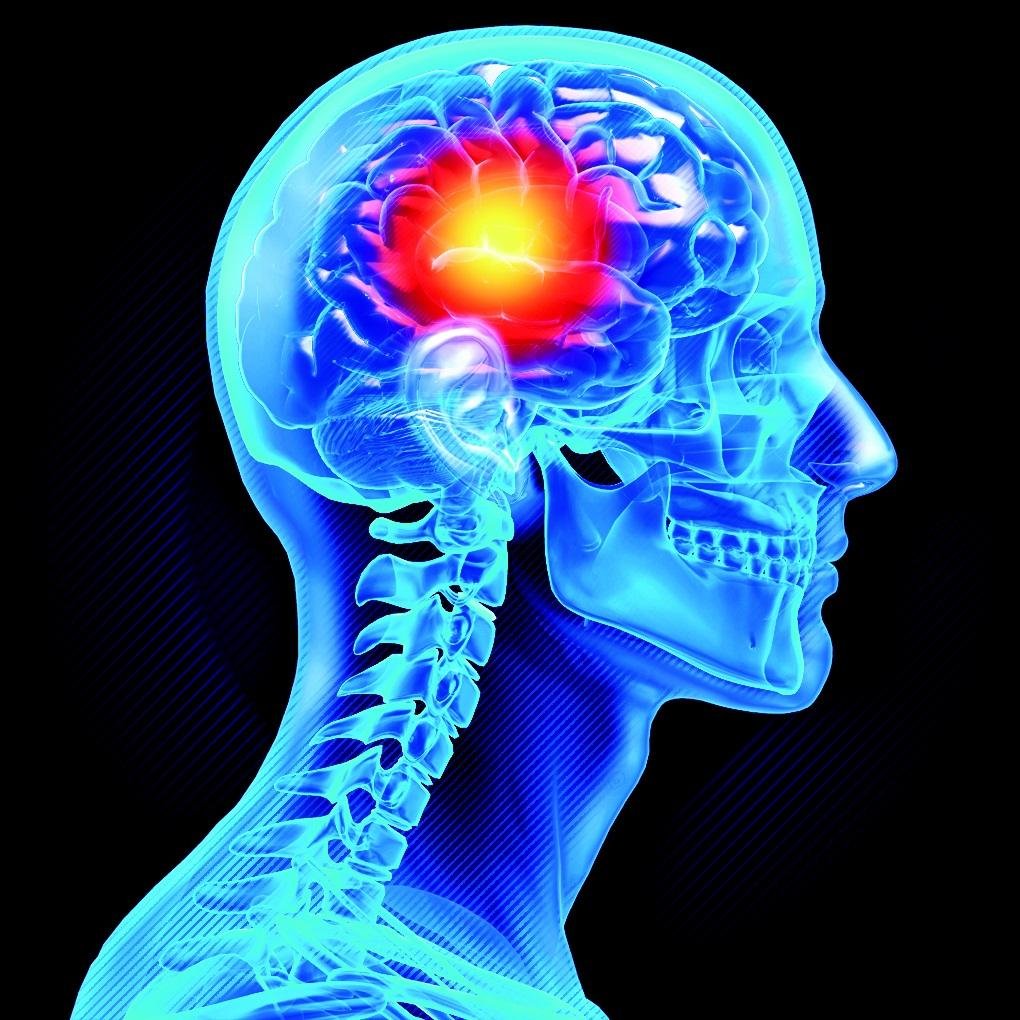
We have a very low level of mental health literacy in our culture, which is the perfect environment for myths to grow and proliferate. Even after working in the field for 36 years, I still hear things that simply are not factual. Today, let’s look at a few of those myths and give ourselves some alternative ways to think about these ideas.
“If you have a mental health condition, you must have done something to make it happen.”
Human beings have a need to make sense out of things, and we all seek some kind of explanation for why we have certain things happen to us or conditions befall us. Mental health is no exception. We want an explanation, and when conditions are severe enough, we want something/someone to blame. Others of us ask, is it nature or nurture? Is it because of how I am wired, or is it because of the environment I grew up in?
One of my parents suffered from a mood disorder more commonly known as “manic depression,” or bipolar disorder. Since I grew up around this parent, it is an excellent question as to whether my siblings and I would also have this disorder, and if it was because of genetics or because of the environment we grew up in living around our parent. As you may have already guessed, it is never so simple as to be one or the other. It is more likely to be a both/and.
Research on this question gives us some clues. Research in any field, by the way, provides us with evidence of what we currently know based on studies, but continued research may reveal additional learnings that we have not yet discovered. These statistics come from a very large twin study carried out by the National Institutes of Health in the 1990s. While there were many findings that came out of this study, there were some specific discoveries around depression.
If you have a parent who has depression, your own risk ranges from 30% to 50%, which would be through genetics. Had both of my parents had depression, my risk of having depression would be two or three times greater than someone who does not have both parents with depression.
How is the genetic risk different from the environmental risk? It is reasonable to think that if my parent had a form of depression, my childhood environment would also have been affected by their condition. Depression can make a person less emotionally available to their children, leaving them more isolated and lonely. There may be other factors in the home impacted as well. Perhaps mom was too depressed to make meals on a regular basis, or to keep the child’s clothes clean. The child becomes worried about mom, not having food regularly available, and perhaps feels self-conscious about going to school in the same clothes day after day.
Getting back to our original myth.
As powerful as we might think we are, it is unlikely that a person with depression has done something to bring on the depression. The factors that impact a person’s risk of developing depression are simply beyond their control. As a child, I could not possibly have changed the fact that my parent had manic depression, nor could I have changed the fact that this made my environment unpredictable and frightening at times. These are brain conditions, and I could not have possibly caused my parent to have a form of depression.
A second myth around mental health: Children do not have mental health problems. These only show up when we become adults.
Studies show that mental health issues can begin to develop very early in life. Half of all lifetime mental illnesses emerge by age 14, and 75% show up by age 24. What we know about mental health, just like any other health condition, is that the earlier we get treatment for that condition, the more likely we can adequately treat and prevent it from becoming worse. Cardiologists will tell us that if we can treat heart conditions from early on, the less likely it is that those conditions will become worse. Treatment works!
The same is true for mental illnesses. The earlier we can treat them, the more likely the person can go on to lead a healthy, meaningful and productive life. Unfortunately, most of us are not looking for the symptoms of a mental illness in our children. We find other reasons to explain away their behavior, including labeling them as lazy, rebellious or defiant. While there may be a possibility that laziness runs in the family (in other words, they genetically got it from one of their parents), it is also worth asking if what we are seeing is related to mental health.
Depression and anxiety look different in children than in adults. If early intervention is our goal, then we need to begin to see our children’s behaviors in a potentially different light. Symptoms of depression in childhood depression can appear through a variety of symptoms. These can include physical complaints such as headaches, stomachaches or displaying behaviors that are unusual for that child, like acting out behaviors such as increased irritability or anger. They may display persistent sadness, loss of interest in things they normally enjoy and/or changes in sleep and/or appetite. It’s important to remember that these can be symptoms of very treatable conditions.
These are such important signs to pay attention to. Children can, at a very young age, have thoughts of death or suicide. Suicide is the second leading cause of death for children aged 10 to 14, and suicide rates for children have also been increasing over the last few decades. These are losses that simply do not have to occur. These deaths are preventable and treatable. What we also know is that treatment works for this, too.
If you suspect that your child struggles with a mental health condition, reach out to your family doctor or pediatrician as a first plan of action. They are trained professionals who can start effective treatment and refer you to other resources that can be very helpful to both you and your child on this journey.
Finally, there are also resources that you can check out based on this column.
WWW.NAMI.org – The National Alliance on Mental Illness – the nation’s largest grassroots mental health organization, which provides education, advocacy and support to those with mental health conditions and their families.
www.namisc.org - NAMI South Carolina is the state chapter
www.namimid-carolina.org – The local affiliate in the Midlands
HTTPs://mhanational.org – Mental Health America - for information on mental health conditions, as well as advocacy for the rights and needs of those with mental health concerns.
Have questions you’d like to ask Shirley? Message her at oasistherapyservices@gmail.com.


Comments
No comments on this item Please log in to comment by clicking here